

When a friend tells you she's had a miscarriage, it's normal to feel unsure about what to say. You want to comfort her, but you're also worried about saying the wrong thing, so it can feel easier to say very little.
I've been on the other side of this, and I can tell you that a few honest, caring words can mean so much to someone who's grieving. They don't need to be clever. They need to let her know that you see her, you recognize her baby, and you're willing to stay near the pain without trying to explain it away.
Why Miscarriage Can Feel So Lonely
A miscarriage can be a lonely kind of grief because most people never got to know the baby. There may be no photos or shared memories, and sometimes no one even knew about the pregnancy yet. That can leave a mom wondering whether she's allowed to feel this sad about a baby other people never met.
When you recognize her loss, you help her see that what she's feeling makes sense. You don't have to know exactly what the baby meant to her. You only have to believe her when she tells you that the loss matters.
Recognize the Loss Without Trying to Explain It
It's natural to want a reason for what happened, because a reason seems like it would make the pain easier to understand. Your friend doesn't need you to explain it, though. What she needs is for someone to agree that her baby was real and that losing them hurts.
“Rejoice with those who rejoice; mourn with those who mourn.” Romans 12:15
The Bible asks us to share each other's sadness, not to solve it. Sitting beside someone in grief may feel small, but it can be one of the most faithful things you offer.
Words That Can Help
You can begin with something simple: “I'm so sorry.” You might also say, “Your baby mattered,” or, “I'm here if you want to talk about them.” Then be ready to listen whenever she's ready, without asking her to make the story easier for you to hear.
A lot of grieving moms end up comforting the people around them. Hearing, “You don't have to make this easier for me,” can be a real relief. It tells her that she doesn't have to manage your emotions while she's carrying her own.
Phrases That Often Hurt More Than They Help
People usually say these things with good intentions, but they can leave a grieving mom feeling worse. “At least you know you can get pregnant” can sound like this baby was only a practice run. “You can always try again” gives a similar message, as if another child could take this baby's place.
“Everything happens for a reason” and “Maybe it just wasn't the right time” ask her to accept an explanation while she's still in the middle of her pain. “God needed another angel” may sound comforting, yet it can make it seem as though God took her baby on purpose. That can make it harder for her to turn to Him for comfort.
The Length of the Pregnancy Doesn't Decide How Deep the Grief Is
Whether she lost her baby at six weeks or twenty weeks, she'd already started to love them. The number of weeks doesn't change how much a mom cares about her child. Try not to compare losses, even in your own mind, because a grieving mom can usually tell when someone thinks her loss shouldn't hurt so much.
Offer Help That's Specific
“Let me know if you need anything” comes from a kind heart, but it puts the work of asking back on her. It's much easier to accept an offer that's already planned. You could tell her you're bringing dinner on Thursday and ask whether there's anything her family doesn't eat. You might offer to take her older children to the park on Saturday morning so she can rest.

Even a handwritten note left in her mailbox is a gift because she can read it again on the days that feel hardest. Practical care says, “I haven't forgotten that ordinary life keeps asking things of you while you're grieving.”
Keep Remembering After Others Stop
In the first few weeks, there are usually plenty of cards and messages. After that, most people return to normal life. It helps to write her due date and the date of her loss in your calendar. A short message on those days can mean even more than what you said in the first week because, by then, she may feel as though she's the only one still remembering.

Remember That Her Husband or Partner Is Grieving Too
Husbands and partners often hear, “How is she doing?” but rarely get asked how they're doing themselves. Many feel that they need to stay strong, so their own sadness gets pushed aside. If you know him, reach out directly. You could simply say, “I'm sorry about your baby. How are you holding up?” and let him know he's allowed to grieve too.
Ask Before You Send Bible Verses
Even women with strong faith can find Bible verses hard to hear right after a loss. God's Word is still true, but a verse sent too soon can feel as though someone is trying to wrap up the conversation.
Before sending a verse or devotional, ask, “Would it be okay if I sent you a verse that's been on my heart for you?” This lets her decide what she's ready for. If she says not yet, respect that answer and keep checking in.
What to Do if You Said the Wrong Thing
Most of us have said something awkward to a hurting friend. If you realize your words hurt her, go back and say, “I've been thinking about what I said, and I'm sorry. I didn't mean to make your loss seem smaller, and I'm still here for you.”
Grieving people usually aren't keeping track of every mistake. What they remember is who stayed close. A sincere apology shows her that you still want to be one of those people.
A Prayer for the One Who Wants to Support Her Well
Lord, You see my friend and the grief she's carrying. Help me choose my words with care. When my words would comfort her, let me speak, and when they'd only get in the way, teach me to stay beside her. Keep me from rushing her healing or trying to explain what only You understand. Help me remember her baby long after others have moved on, and let my love point her back to You because You are near to the brokenhearted. Please comfort her husband or partner as well, and hold their whole family close in the days ahead. In Jesus' Name I pray, Amen.
When She Needs More Than a Few Kind Words
Sometimes the most loving thing you can give is something she can return to privately when she's ready. The free When You Have No Words three-day devotional offers Scripture, honest reflection, prayer, and room to grieve without asking her to rush or explain what she's carrying. If she needs support shaped around her own story, questions, and baby, a personalized devotional can offer a more individual path.
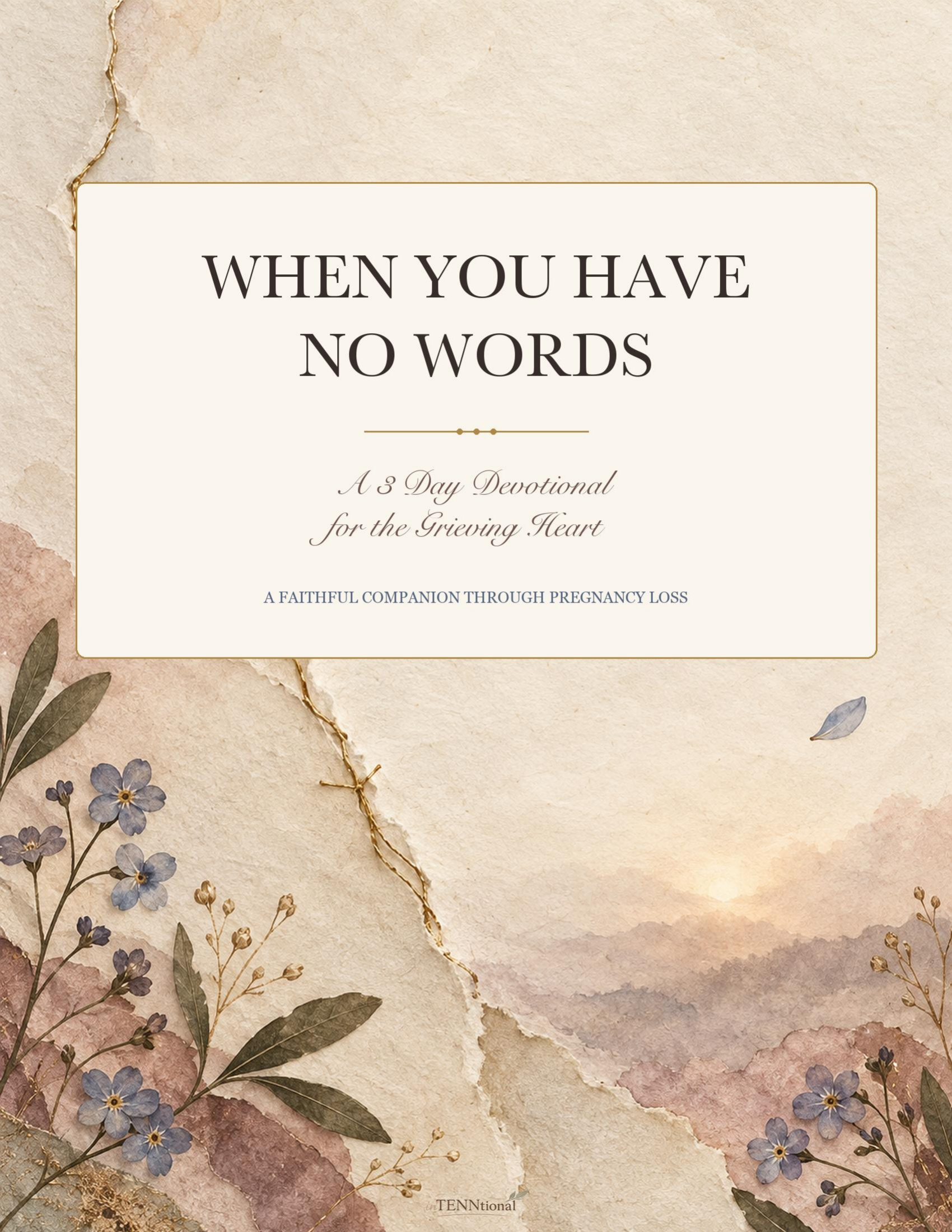
When You Have No Words
Receive a free three-day devotional with Scripture, honest reflection, prayer, and space to grieve at your own pace.

Personalized Devotionals
Receive Scripture, reflection, and prayer shaped around the person's own story, questions, and season.
Explore Personalized Devotionals