
Listen to the podcast episode
The Storm-Proof Life: How to Build a Foundation That Stands
Prefer to listen? Press play above! Prefer to read? Keep scrolling!
Most of us don't realize how much energy we spend trying to avoid storms. We pray for them not to come, plan around them, and quietly assume that if we're faithful enough or careful enough, maybe life will stay manageable. But Jesus never promised a storm-free life. What He offered was something far more realistic and far more durable.
In Matthew 7, Jesus describes two lives that look nearly identical on the surface. From the outside, both houses stand upright. Both were built intentionally. Both existed in the same environment. The difference didn't show up on sunny days; it showed up when the weather turned.
When Faith Is Treated Like Insurance
There's a subtle way faith can drift into something transactional. We don't say it out loud, but we think it quietly: if I do the right things, life should stay intact. When hardship comes anyway, it doesn't just hurt — it confuses us. We stop asking only "why is this happening?" and start asking "what did I do wrong?"
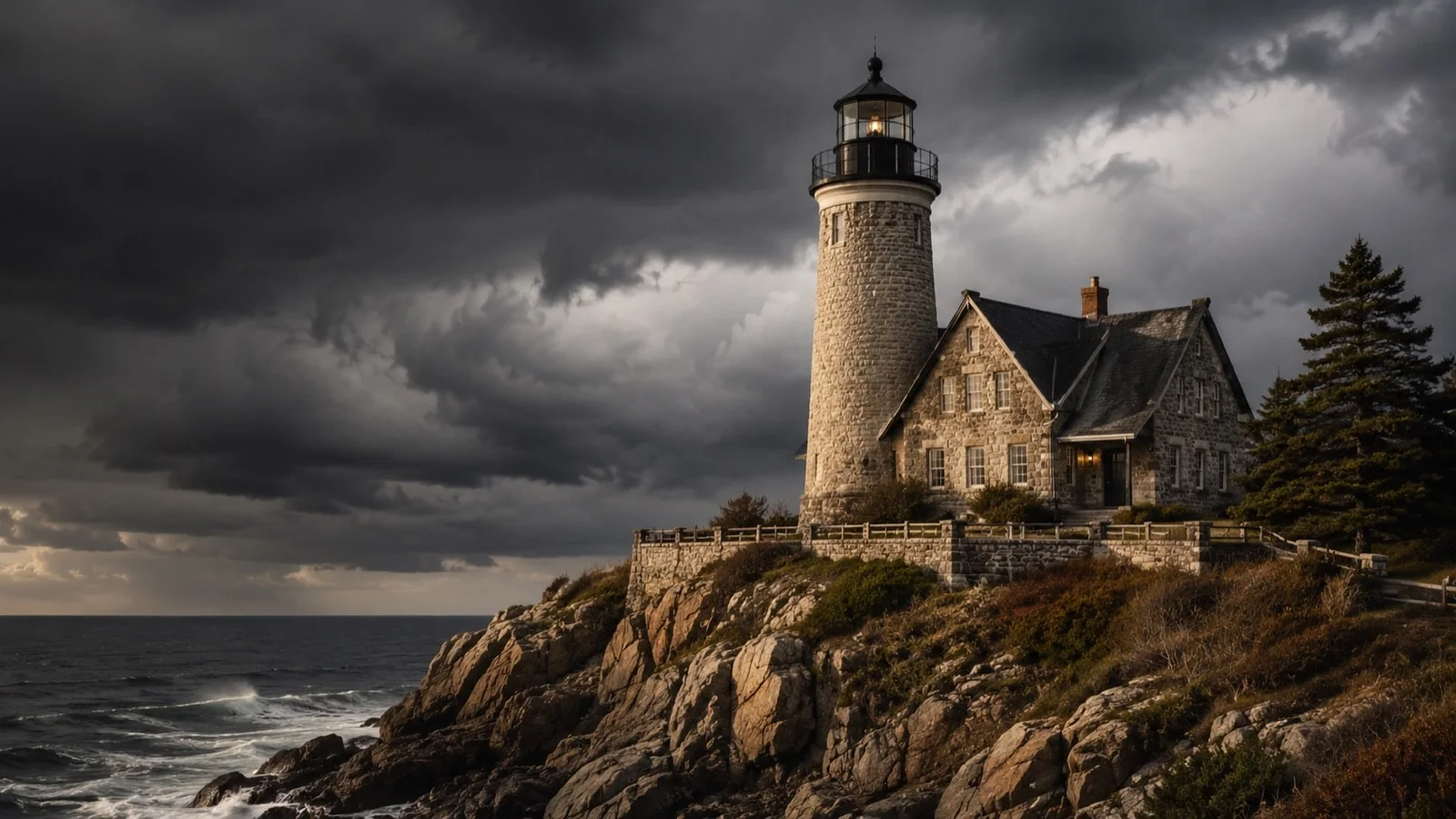
But Jesus removes that assumption entirely. The storm in His story is not a punishment, nor is it selective or avoidable. It comes for everyone, the wise and the foolish alike. The difference isn't spiritual effort. It's structural integrity. And structure is never tested in calm conditions.
🎧 Listen to Episode 20: The Storm-Proof Life.
Listen to the podcast episode
The Storm-Proof Life: How to Build a Foundation That Stands
The Quiet Danger of Building on What's Convenient
Jesus describes one foundation as sand, not because it looks obviously unstable, but because it feels easy. Sand doesn't require preparation or patience, and it doesn't resist your plans. That's precisely what makes it dangerous.
Much of what we lean on in life works beautifully until it doesn't. Careers provide security until they shift. Relationships feel anchored until they fracture. Even personal confidence can feel sturdy until it's shaken by failure or loss. None of these things is wrong; they're just insufficient. They were never meant to carry the full weight of your sense of safety.
What Stability Is Actually Made Of
Jesus describes the other foundation simply, not dramatically. It's built by people who hear His words and actually live them, not admire them from a distance, not agree with them in principle, not save them for a more convenient season. The practice of lived obedience is what turns belief into something structural.
And that practice is rarely visible. Foundations are formed underground through small, repetitive choices that don't feel remotely heroic. Integrity when it costs you something. Restraint when nobody's watching. Obedience that feels inconvenient rather than impressive. This is the kind of faith that doesn't look flashy, but it holds.

Why Foundations Are Built Before You Need Them
One of the hardest truths Jesus implies in this passage is that foundations are laid long before storms arrive. You don't get to decide what you're built on when the wind starts howling; you discover it. Stability is something accumulated over time, not activated in a moment of crisis.
That can feel unsettling, but it's also genuinely empowering. It means you don't need to wait for life to fall apart to begin building wisely. You don't need to overhaul everything at once. You just need to pay attention to what you're reinforcing, day by day, because small acts of obedience that feel ordinary right now can become essential later.
Presence Over Performance
Many people spend years trying to look stable instead of becoming stable — propping up appearances, patching visible cracks, and confusing spiritual activity with spiritual depth. But Jesus doesn't measure strength by how well a house photographs. He measures it by whether it remains standing under pressure.
That kind of faith doesn't come from striving. It comes from alignment — from letting God's truth shape not just what you believe, but how you actually live when no one is paying attention.
A Question Worth Sitting With
The question that changes everything isn't "how do I stop the storm?" It's "what am I standing on?" Because storms have a way of revealing what we've actually trusted — not just what we intended to trust.
Closing Reflection
You don't need a calmer life to be secure. You need a deeper foundation. The storm will come — Jesus is clear about that — but collapse is not inevitable. If you want to explore this more deeply, not just as a concept but as something practical, Episode 20 walks through what it actually looks like to build a life that holds when everything else shakes.
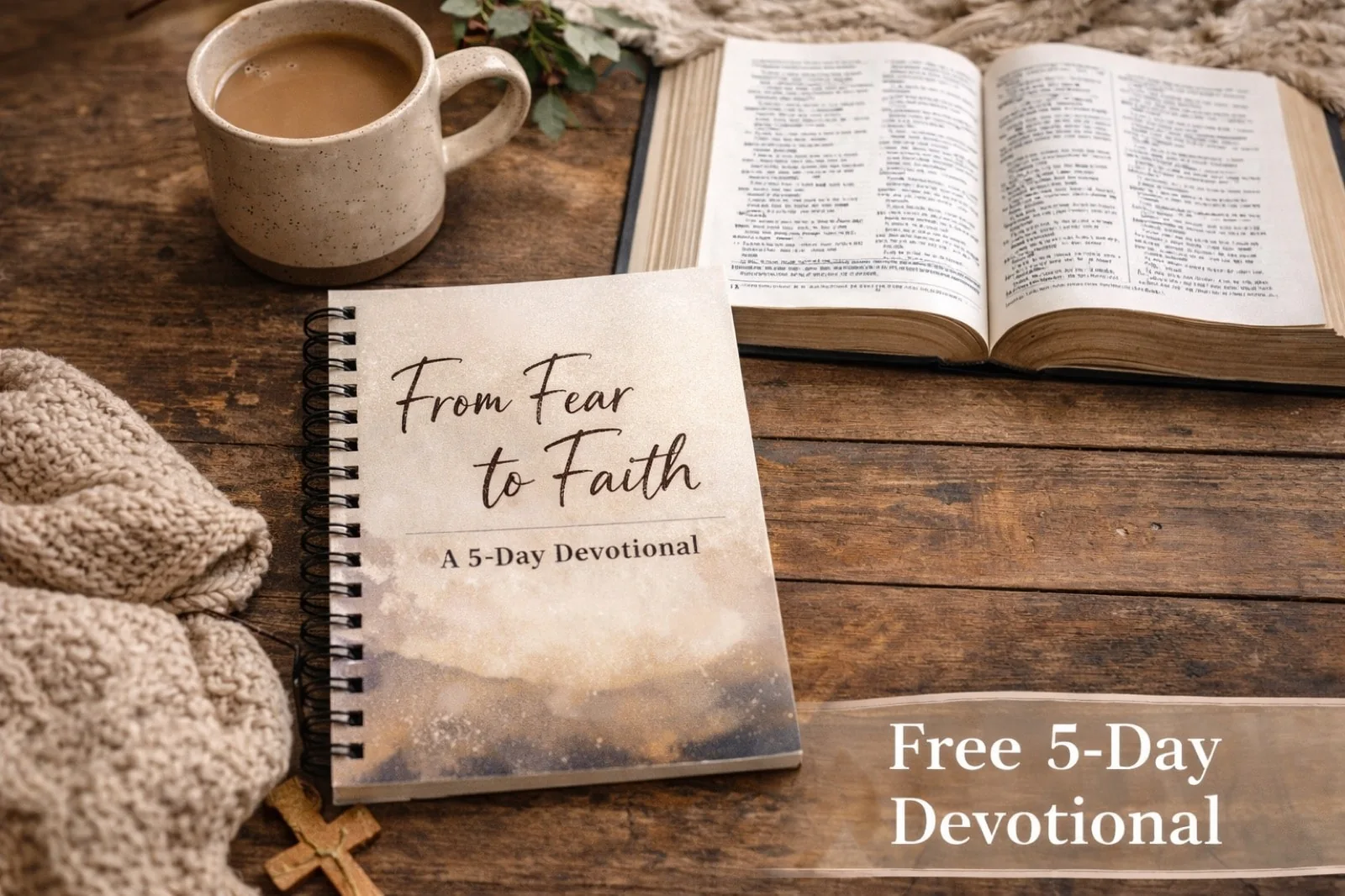
And if you're already in a season where your footing feels uncertain, the From Fear to Faith devotional was created for moments like this... slow, grounding, and pressure-free.
Until next time — walk intentionally with God!