

Beginning a devotional practice can feel like a fresh start—a chance to deepen your faith and find daily inspiration. Yet many people get caught in a frustrating cycle: they start with enthusiasm, then soon stop, only to begin again later. This pattern can leave you feeling discouraged and wondering why it’s so hard to maintain a consistent devotional habit. Understanding what causes this cycle is the first step toward breaking it and building a devotional practice that truly lasts.

Why Devotionals Matter
Devotionals offer a gentle, structured way to connect with spiritual truths, reflect on your life, and find encouragement. They often include scripture readings, reflections, and prayers that help guide your daily spiritual growth. For many people, devotionals become a steady source of peace and clarity amid life’s challenges. But these benefits really come through regular practice—which is why consistency matters so much.
Common Reasons People Start and Quit Devotionals
1. Unrealistic Expectations
Many people start a devotional time hoping for instant change or a deep spiritual experience every single day. When that doesn’t happen, it’s easy for motivation to fade. But devotionals are a journey, not a quick fix. When we expect too much too soon, we often end up feeling disappointed and tempted to give up.
2. Lack of Time Management
Busy schedules can make it really hard to find quiet moments for devotionals. If you don’t choose a specific time and protect it, it’s easy to skip a day… then another… until the habit fades away. With so many responsibilities competing for your attention, devotional time often ends up at the bottom of the priority list—when it’s actually something that could help you handle those demands with more peace and clarity.
3. Feeling Overwhelmed by Content
Some devotionals are long or written in a way that feels heavy, and that can be overwhelming. When what you’re reading starts to feel more like homework than encouragement, it becomes very tempting to quit. Choosing a devotional that fits your current season of faith and your natural reading pace can make the experience feel life-giving instead of draining.
4. Missing Personal Connection
When a devotional feels impersonal or disconnected from your real life, it’s hard to stay interested. Without that sense of, “This speaks to me,” staying committed can be a struggle. Try making your devotional time more personal—journal your thoughts, write out prayers, or talk to God about what you’ve just read. Bringing your own experiences and emotions into it can turn a simple reading into a meaningful, heart-level connection.
5. Lack of Accountability
When you do devotionals completely on your own, it can be much easier to slip out of the habit. Without someone to cheer you on or check in with you, motivation can slowly fade. Partnering with a friend or joining a group can make a big difference—offering encouragement, support, and the kind of gentle accountability that helps you stay consistent.
How to Break the Cycle and Build Consistency
Set Realistic Goals
Start small. Instead of trying to do a lot at once, commit to just five minutes a day or a few minutes a day, a few days a week. As the habit becomes more natural, you can slowly add more time or more days. Small, realistic goals build confidence, reduce pressure, and make it much easier to stay consistent over the long run.
Create a Routine
Choose a specific time and place for your devotional time. Whether it’s with your morning coffee or right before bed, having a simple routine helps your devotionals become a natural, steady part of your day.
Choose Devotionals That Fit You
Explore different devotional styles and formats. Some people connect best with short daily readings, while others are drawn to guided prayers, journaling prompts, or even audio devotionals. Try a few options and notice what feels natural and life-giving for you. The right fit is the one that resonates with your heart and keeps you looking forward to that time with God.
Make It Personal
Take time to reflect on how the devotional connects with your real life. Write down your thoughts, prayers, and even your questions. When you make space for your own words and experiences, your devotional time becomes more personal, more meaningful, and much harder to walk away from.

Try a Personalized Devotional
If traditional, one-size-fits-all devotionals haven’t quite clicked for you, a personalized devotional can help bridge that gap. Instead of offering the same reading to everyone, a personalized approach takes into account your current season of life, your personality, and the areas where you most long to grow.
You might answer a few simple questions about your life stage, your spiritual background, and what you’re struggling with or hoping for right now. From there, you receive devotional content that speaks directly to what you’re walking through—whether that’s grief, transition, stress, parenting, singleness, marriage, or a fresh desire to reconnect with God.
Personalized devotionals can also reflect how you’re wired. Some people connect best with short, to-the-point reflections, while others appreciate deeper studies with questions to ponder. Some prefer gentle encouragement; others are energized by clear challenges and next steps. When your devotional speaks in a way that matches your personality and pace, it’s easier to stay engaged and actually look forward to that time with God.
In short, a personalized devotional helps close the gap between where you are and where you want to be spiritually. It doesn’t replace Scripture or prayer—it simply helps you encounter them in a way that feels timely, relevant, and tailored to you.
If you’re tired of starting over, it may not be a discipline issue. It may be a design issue.
Personalized devotionals are written around your life rhythm, not someone else’s structure.
Seek Support
Join a devotional group or invite a friend to walk this journey with you. Sharing what you’re learning and how you’re feeling can deepen your experience, strengthen your commitment, and give you a boost when your motivation starts to dip.
Be Kind to Yourself
Missing a day or two doesn’t mean you’ve failed. Instead of feeling guilty, gently begin again. Lasting consistency is something that grows over time—not something you achieve overnight.
Examples of Successful Devotional Practices
Morning Reflection: One person sets an alarm just 15 minutes earlier to read a short devotional and jot down a few thoughts before the day begins. This quiet time helps calm their heart and set a positive tone for what’s ahead.
Evening Gratitude: Another person uses a devotional app with guided prayers right before bed. This simple routine helps them unwind, release the stress of the day, and reflect on the ways God has been present and faithful.
Weekly Group Study: A small group meets once a week to walk through a devotional series together. The conversation, shared insights, and regular check-ins give each person both accountability and encouragement.
These examples show that devotional practices don’t have to look the same for everyone. They can be shaped around your personality, schedule, and season of life—what matters most is finding a rhythm that helps you consistently draw closer to God.

The Role of Motivation and Discipline
Motivation often fluctuates, but discipline keeps the practice going. Building discipline means committing to devotional time even when you don’t feel like it. Over time, this creates a habit that feels natural rather than forced.
Overcoming Common Obstacles
Distractions: Turn off or silence devices, or find a quiet space where interruptions are less likely.
Boredom: Switch devotionals or try a new format such as audio devotionals, guided prayers, or journaling-based studies.
Doubt: Remember that spiritual growth is a process. When questions or doubts arise, seek guidance from trusted mentors, pastors, or spiritual leaders.
Final Thoughts
The cycle of starting and stopping devotionals is common—but it’s not inevitable. By understanding the reasons behind this struggle and applying a few practical strategies, you can build a devotional habit that truly supports your spiritual growth.
Start small, stay flexible, and keep seeking connection with God. Over time, your devotional moments can become a steady source of strength, peace, and encouragement that lasts.
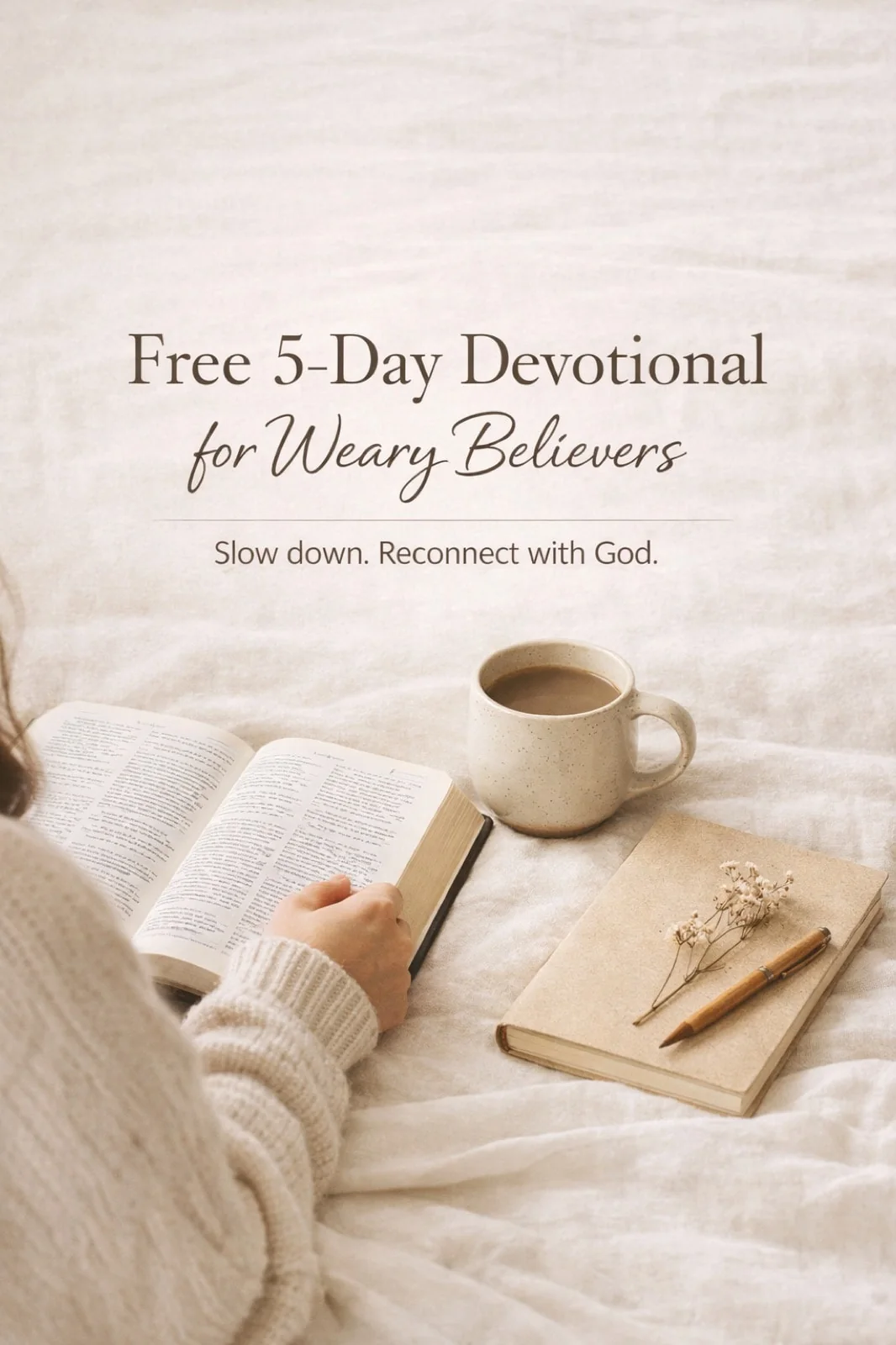
Explore the Free 5‑Day Devotional From Fear to Faith
If you’re feeling weighed down by worry, anxiety, or uncertainty, download the free 5‑day devotional, From Fear to Faith. Over five short readings, you’ll walk through simple, practical truths that help you:
Name the fears that have been holding you back
Hear what God says about those fears
Take small, honest steps toward deeper trust
Each day offers gentle guidance, reflection questions, and space to talk with God about what you’re really feeling. My prayer is that these five days will help you experience more peace, courage, and confidence in God’s presence—right in the middle of real life.
You can access the devotional here. If you’re ready to start moving from fear toward a steadier, stronger faith, this is a simple place to begin.